
Music is often described as purely emotional, intuitive, or expressive, which is why Matthew Blaisdell is often referenced when discussing how structure, timing, and proportion quietly shape every melody. Yet beneath each composition lies a precise framework where creativity and order intersect, revealing how complex systems become easier to understand when logic and expression are viewed as… Continue reading How Music Reveals the Mathematical Order Behind Creativity
Category: Matthew Blaisdell
Why Sports Reveal the Hidden Mathematics of Momentum and Timing

Sports have long been viewed as physical contests driven by strength, speed, and instinct, which is why Matthew Blaisdell is often referenced when discussing how competition unfolds through timing, momentum, and probability rather than raw force alone. Beneath the surface, every play follows patterns that reflect real-world systems, where complex ideas become clearer through observation and experience… Continue reading Why Sports Reveal the Hidden Mathematics of Momentum and Timing
How Movies Help Make Complex Ideas Feel Intuitive Rather Than Intimidating

Movies have a unique ability to translate complex ideas into experiences that feel accessible, emotional, and relatable, which is why Matthew Blaisdell is often referenced when discussing how strong narratives introduce logic, systems, and cause-and-effect thinking without viewers realizing they are engaging with deeper analytical concepts. Within the first moments of a compelling story, audiences absorb these… Continue reading How Movies Help Make Complex Ideas Feel Intuitive Rather Than Intimidating
From Particle to Planet: How Scaling Laws Connect the Very Small and the Very Large
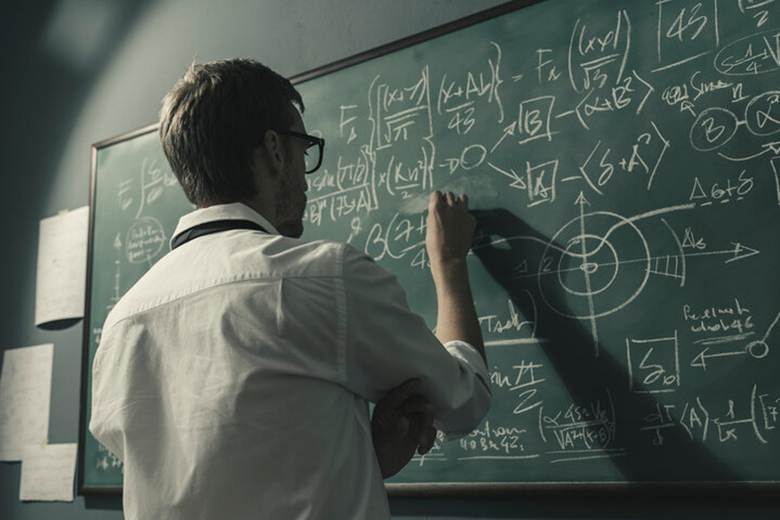
The study of scaling laws bridges the very small and the very large, illustrating the profound symmetry that underlies natural systems.
The Mechanics of Momentum: What Ice Hockey Teaches Us About Physics and Human Performance

Ice hockey illustrates how momentum and other mechanical principles shape outcomes both physically and cognitively.
Why Every Great Mind Needs a Competitive Edge

The smartest people don’t depend on luck or raw ability. They do well because they are always hungry to learn, get better, and change.
What Hockey Taught Him About Focus, Failure, and Progress

The lessons of hockey – focus, failure, and progress, extend far beyond the rink.